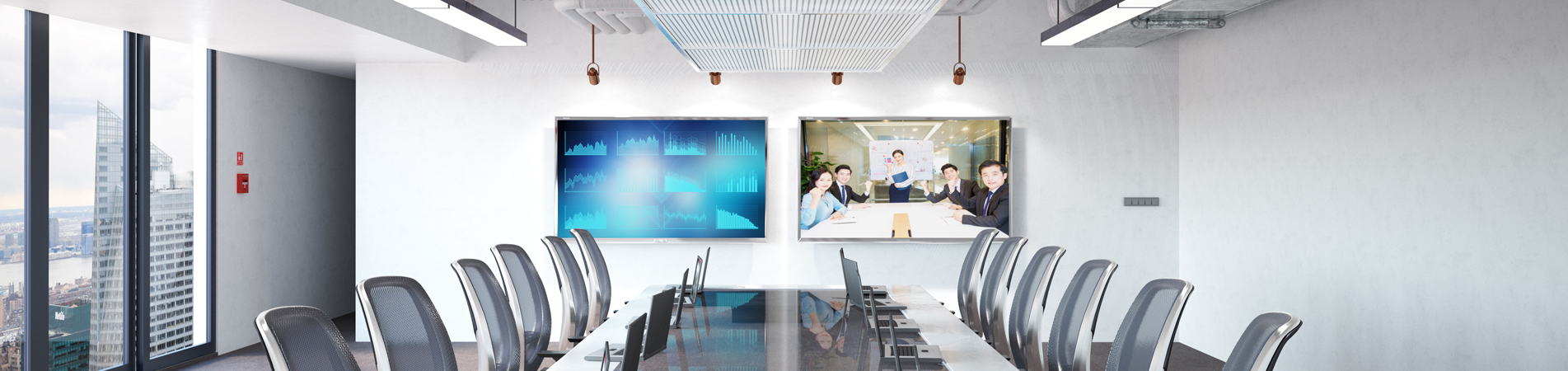
For many years, projectors were the standard solution for classrooms and meeting rooms. However, interactive displays are quickly replacing them—and for good reason.
One of the biggest advantages is image quality. Projectors depend on ambient lighting conditions, which can affect visibility. Interactive displays, on the other hand, provide consistent brightness and sharp 4K resolution regardless of the environment.
Maintenance is another major factor. Projectors require regular lamp replacements and cleaning, while interactive displays typically require minimal upkeep.
User experience is also significantly improved. With touch functionality, users can write, annotate, and interact directly on the screen without additional tools.
From a long-term cost perspective, interactive displays often prove to be more economical. Although the initial investment may be higher, the reduced maintenance and longer lifespan offset the difference.
As technology continues to evolve, more institutions are transitioning to interactive displays for a more efficient and modern experience.
Projectors were once the standard classroom solution, but smart boards are quickly replacing them.
One major reason is image quality. Projectors often struggle in bright environments, while smart boards provide consistent brightness and sharp visuals.
Another issue with projectors is maintenance. Lamps require replacement and image alignment can become inconvenient.
Smart boards eliminate many of these problems while adding interactive functionality.
Teachers can write directly on the display, save lesson content, and integrate multimedia resources without additional equipment.
For schools looking for a long-term solution, smart boards often provide better efficiency and user experience.